The Ultimate Wedding Timeline
Planning a wedding day schedule can feel like a juggling act. You want enough time for the meaningful moments, but not so much structure that the day feels rushed or over-managed.
The good news is that a strong wedding timeline does not need to be complicated. Most days run well when each part has enough breathing room, travel is realistic, and the key moments are spaced out properly rather than squeezed too tightly together.
Below is a wedding timeline that works for most days, plus a few sample schedules you can adapt depending on your ceremony time, travel, season, and the kind of celebration you want.
What makes a wedding timeline work well?
The best wedding timelines are not packed minute by minute. They are structured enough to keep the day moving, but flexible enough to let it breathe.
A few small buffers between the big moments can make a huge difference. One late running supplier, a dress that takes longer to fasten, or a traffic delay does not need to knock the whole day off course.
It also helps to avoid stacking too many things back to back. A timeline usually feels better when the formal moments are balanced with space to actually enjoy the day.
A wedding timeline that works for most days
Prep
Hair and makeup is often the part of the day most likely to run late, so it is worth getting those timings right from the start. If the morning slips behind here, everything else can start to feel rushed too. If you have had a trial, you should already have a good idea of how long everything will realistically take, which makes it much easier to plan the morning properly.
Most couples start photography coverage around 1 or 2 hours before the ceremony. That is usually enough time for the final stages of hair and makeup, a few detail photos, and the natural moments as the morning comes together.
Getting dressed
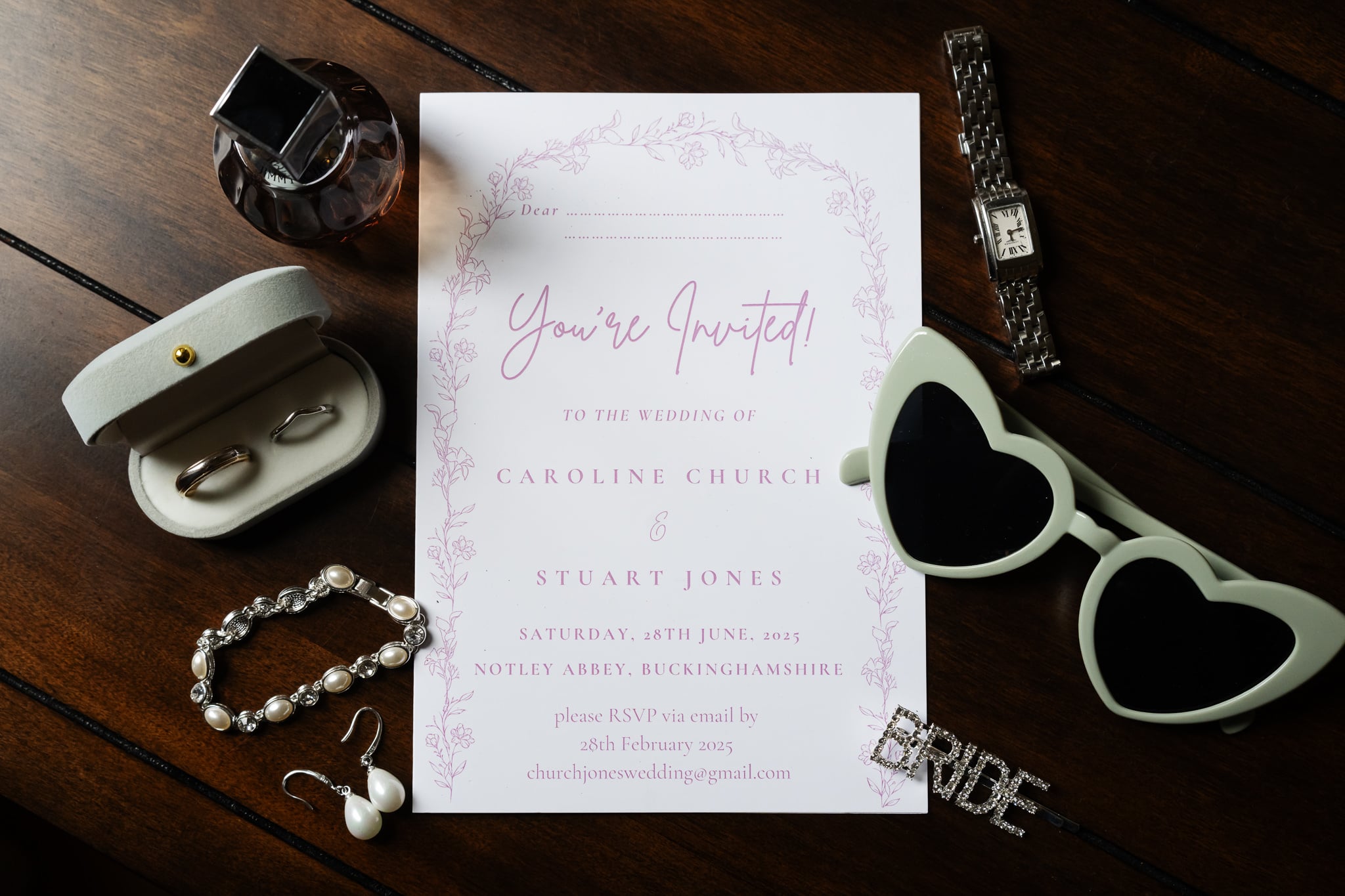
Allow around 20 to 30 minutes for getting dressed without stress. This is one of the easiest parts of the day to underestimate, especially if your outfit has lots of buttons, lacing, or layers.
Once you are dressed, this is usually the best time for portraits, a first look with parents, or a few quiet moments before leaving for the ceremony. If your hair and makeup artist will also be creating content once you are ready, make sure that is built into the timeline so it does not eat into your portrait time.

Travel
Travel time is one of the easiest parts of the day to underestimate. Even a short journey can take longer than expected once you factor in getting everyone organised, getting in and out of cars, and arriving with enough time to spare before the ceremony.
If prep, ceremony, and reception are in different locations, it is always worth building in more buffer than you think you need.
Ceremony
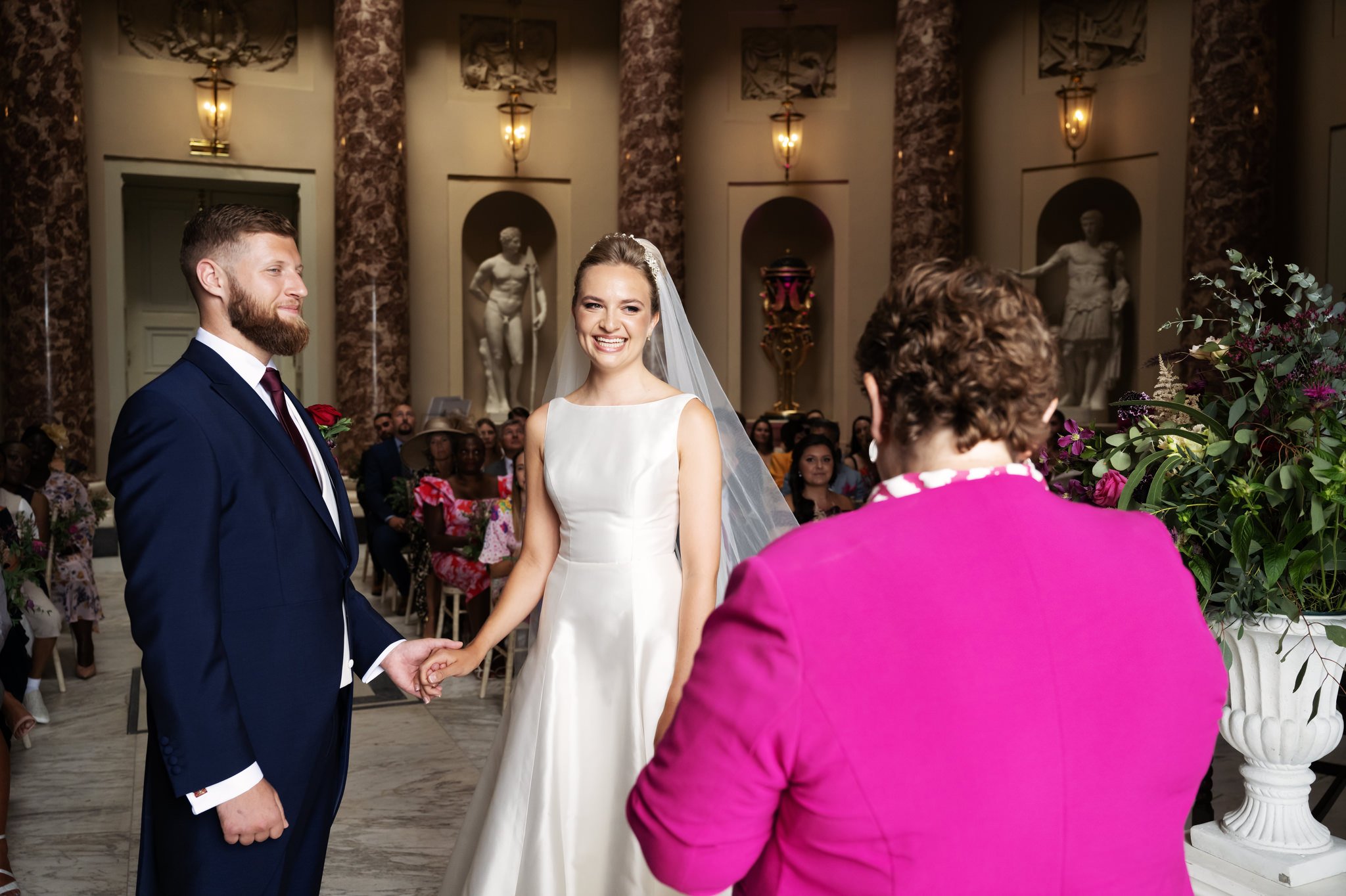
Your ceremony is the anchor point for the rest of the day, so everything else tends to work backwards or forwards from this.
For many civil ceremonies, the registrar will want to see you before the ceremony starts to complete the pre-ceremony interview, so you need to arrive in good time rather than aiming for the exact start time. Depending on the venue and local registration service, this is often at least 15 minutes before, and sometimes longer.
This is not a part of the day you can afford to be late for. Registrars often have more than one ceremony booked, and official guidance from several councils says late arrival can mean the ceremony cannot go ahead as planned or may need to be rebooked.
After the Ceremony
This part of the day often moves quickly, so it helps to have a rough plan for what happens next. For most weddings, this is the point where confetti, congratulations, group photos, drinks reception, and a short set of couple portraits all fit together.
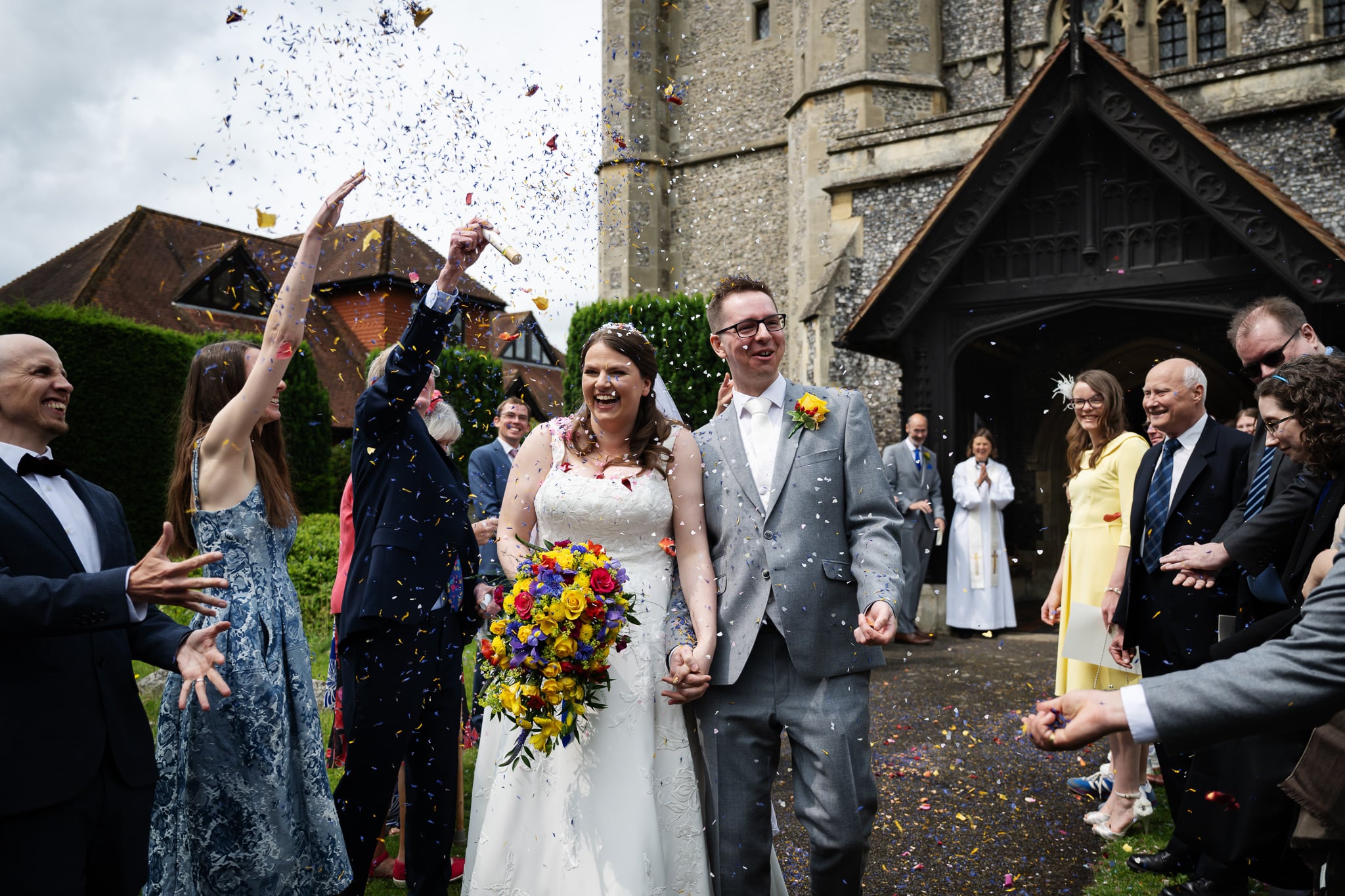
Confetti
If you are having confetti, the easiest time to do it is straight after the ceremony when everyone is already together. Around 5 to 10 minutes is usually plenty, and it keeps the flow of the day moving naturally into the next part of the celebration.
Group photos
For most weddings, 20 to 30 minutes is a realistic amount of time for family and wedding party group photos. The exact timing depends on how many combinations you want and how quickly the key people can be gathered.
It helps to keep the list focused and have a couple of people ready to help round up family members. The more efficient this part is, the more time you keep for the rest of the drinks reception.

Drinks reception
Drinks reception is often one of the most relaxed and social parts of the day, so it is worth protecting this time where possible.
This is usually when guests properly start to mingle, congratulate you, and settle into the celebration. If earlier parts of the day overrun, this is often the section that gets squeezed first.

Couple portraits
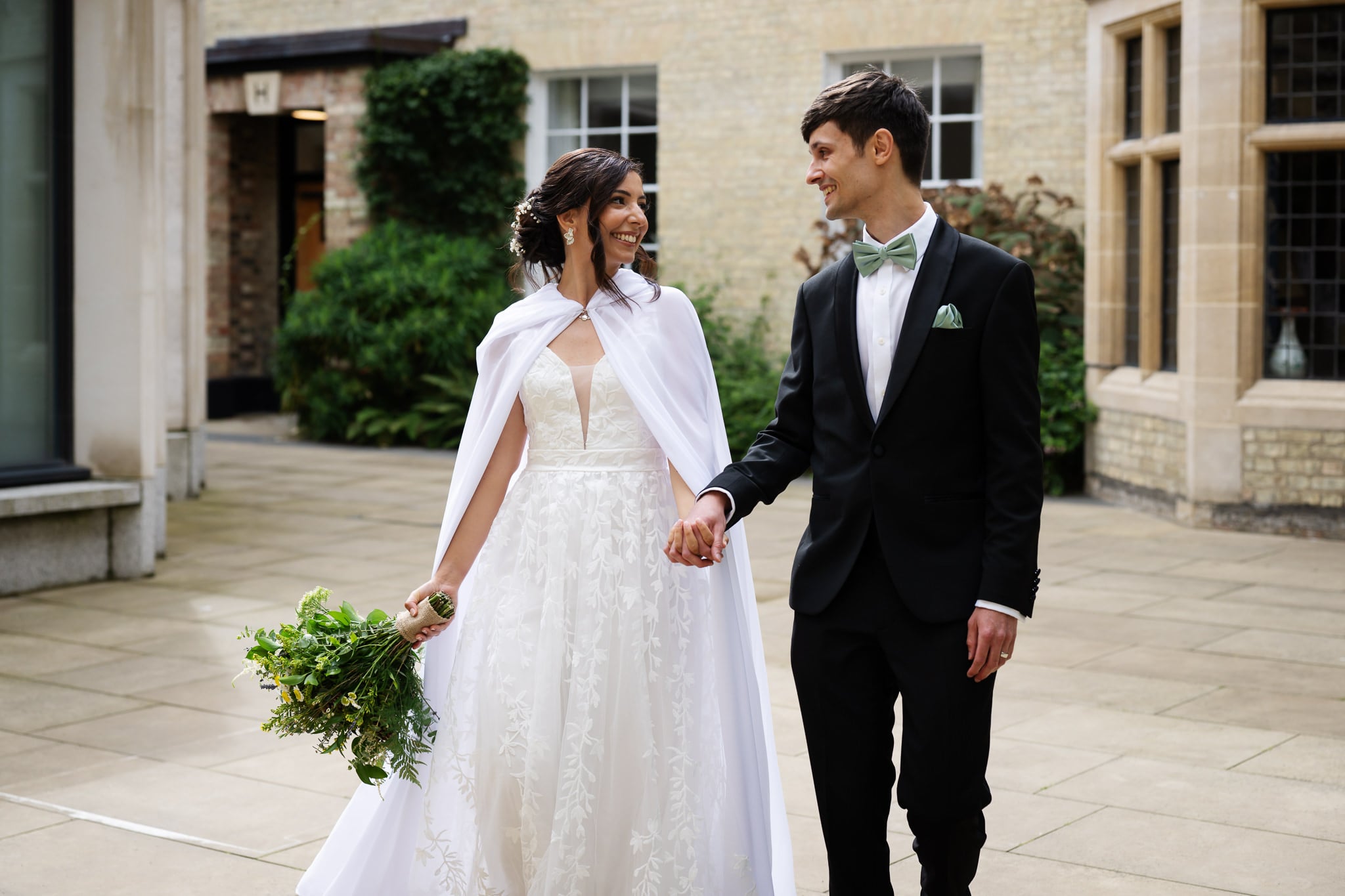
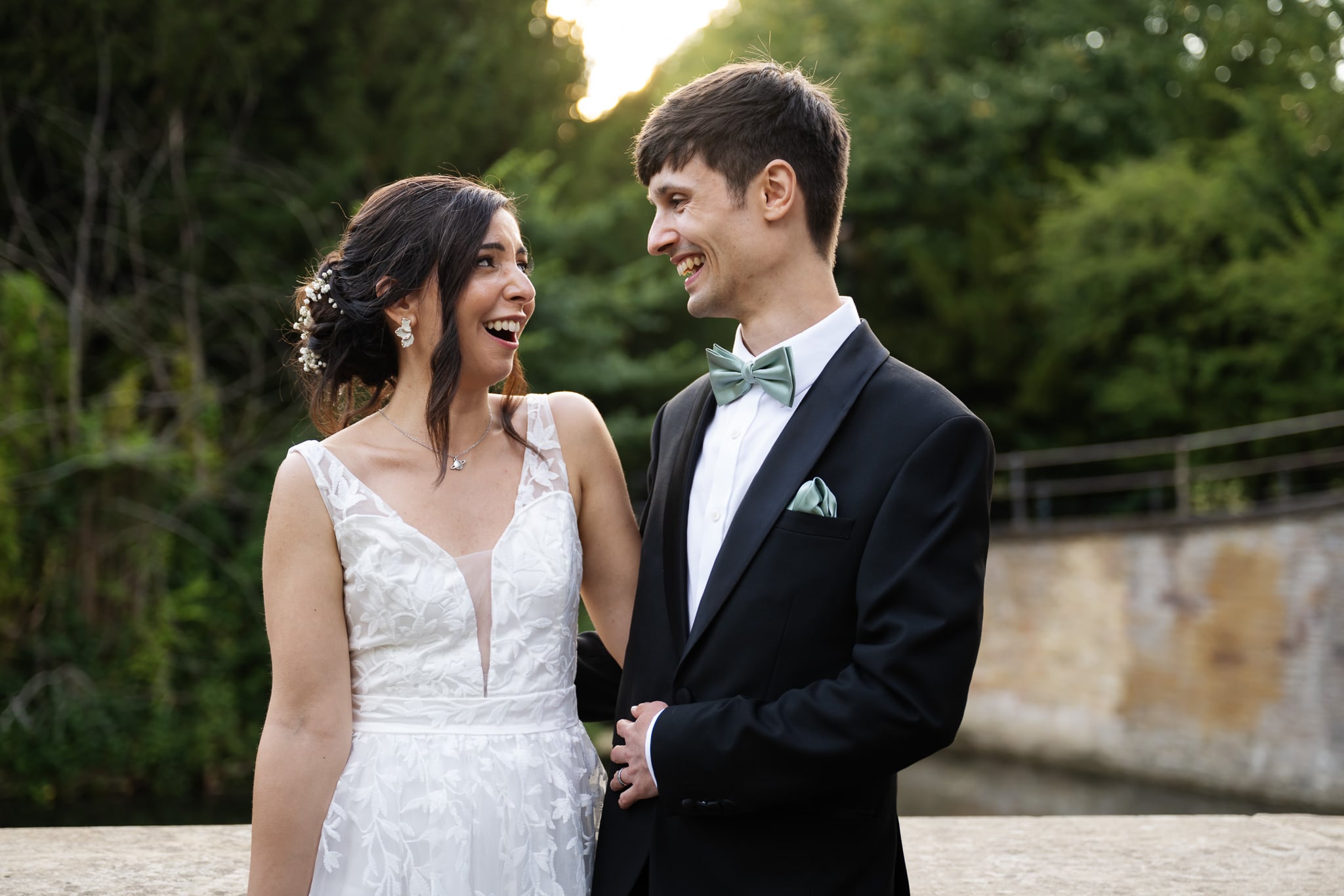
Most couples only need around 15 to 30 minutes in total for portraits, split across the day rather than taken in one long block.
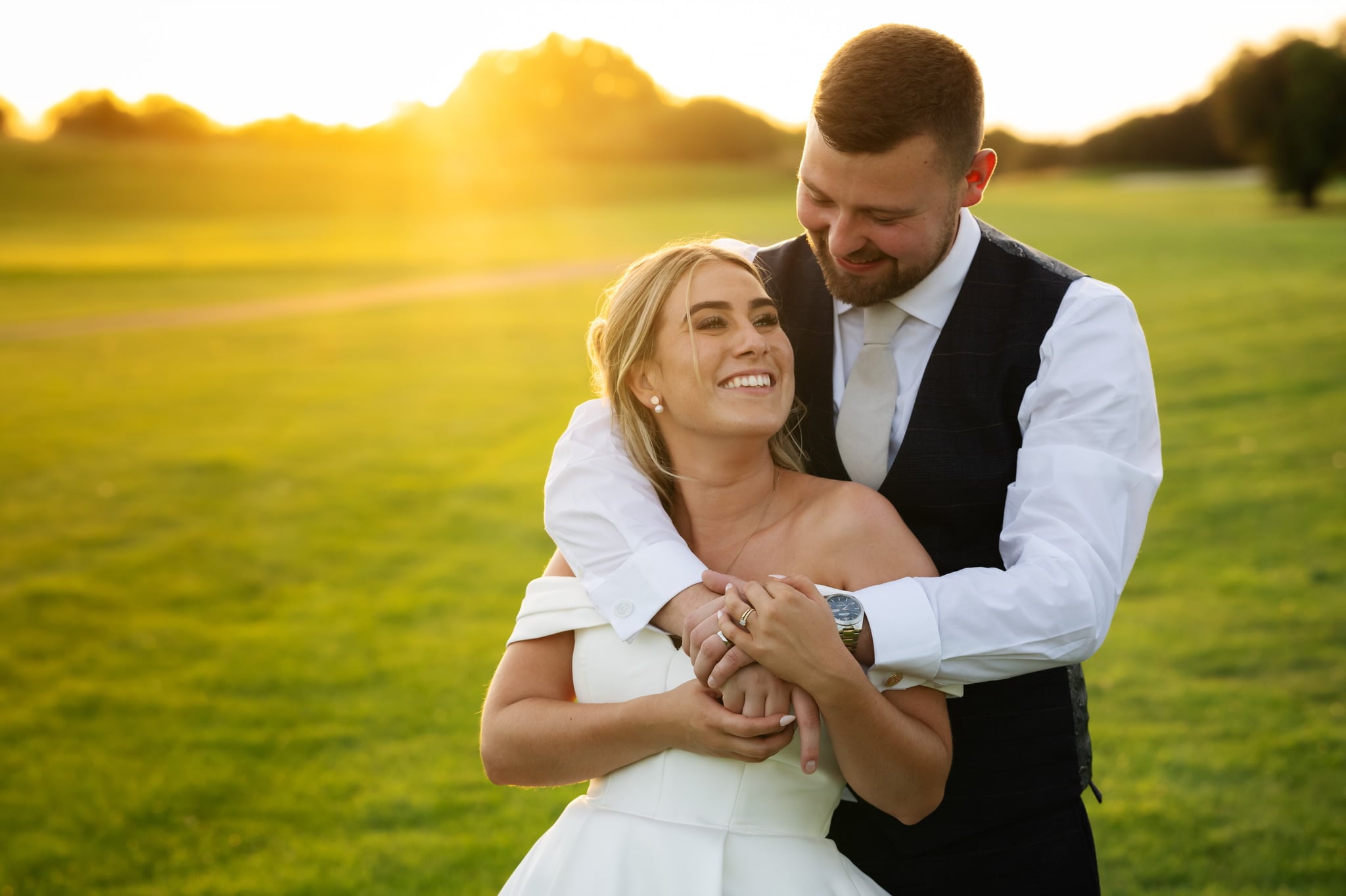
That might mean a short set during drinks reception, another quick burst before the wedding breakfast, and a few minutes later on if the light is right. This usually works better than disappearing for one long session and helps the day feel more relaxed.
First portrait session
Second portrait session (more relaxed) 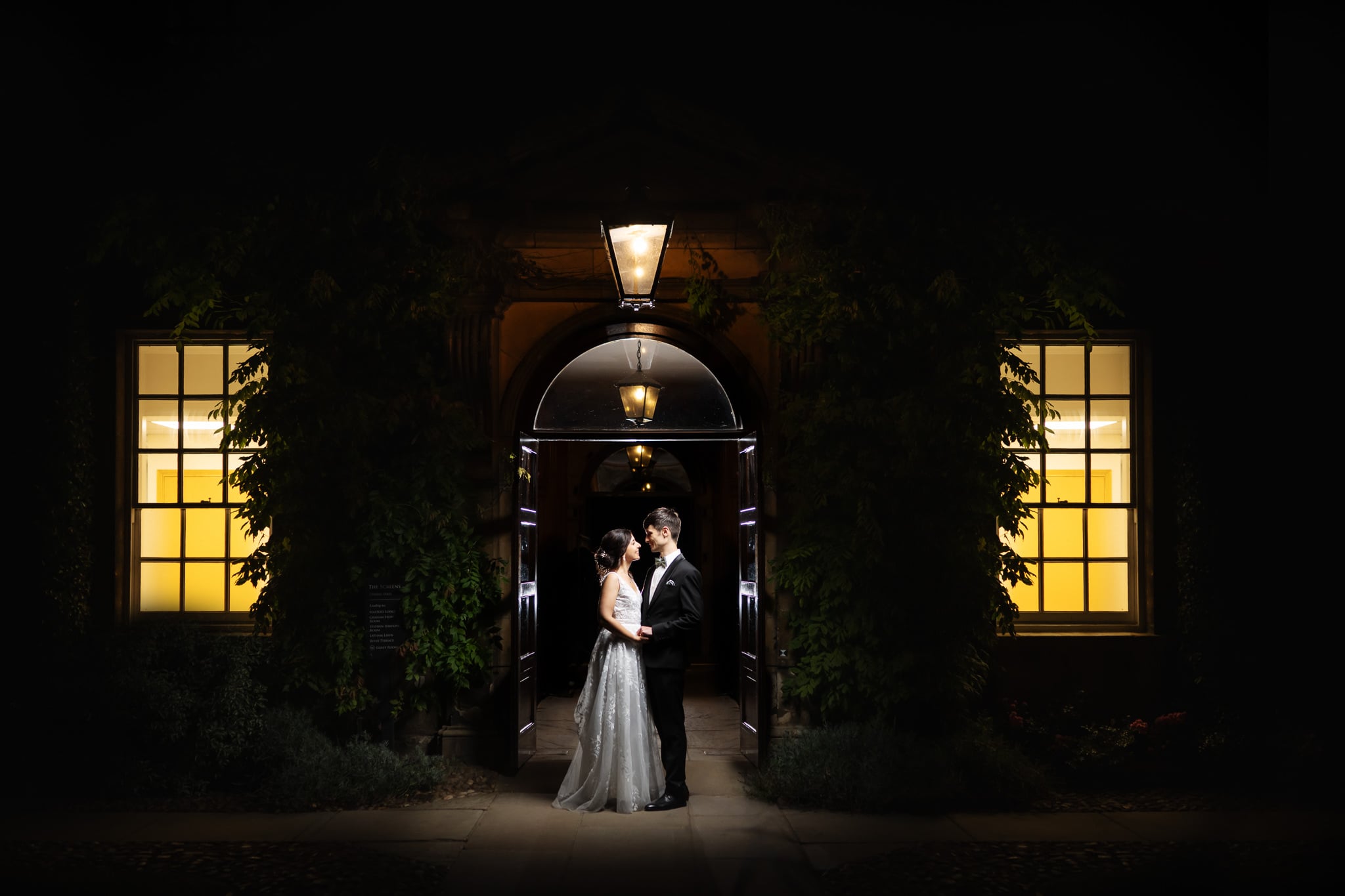
After dark portrait
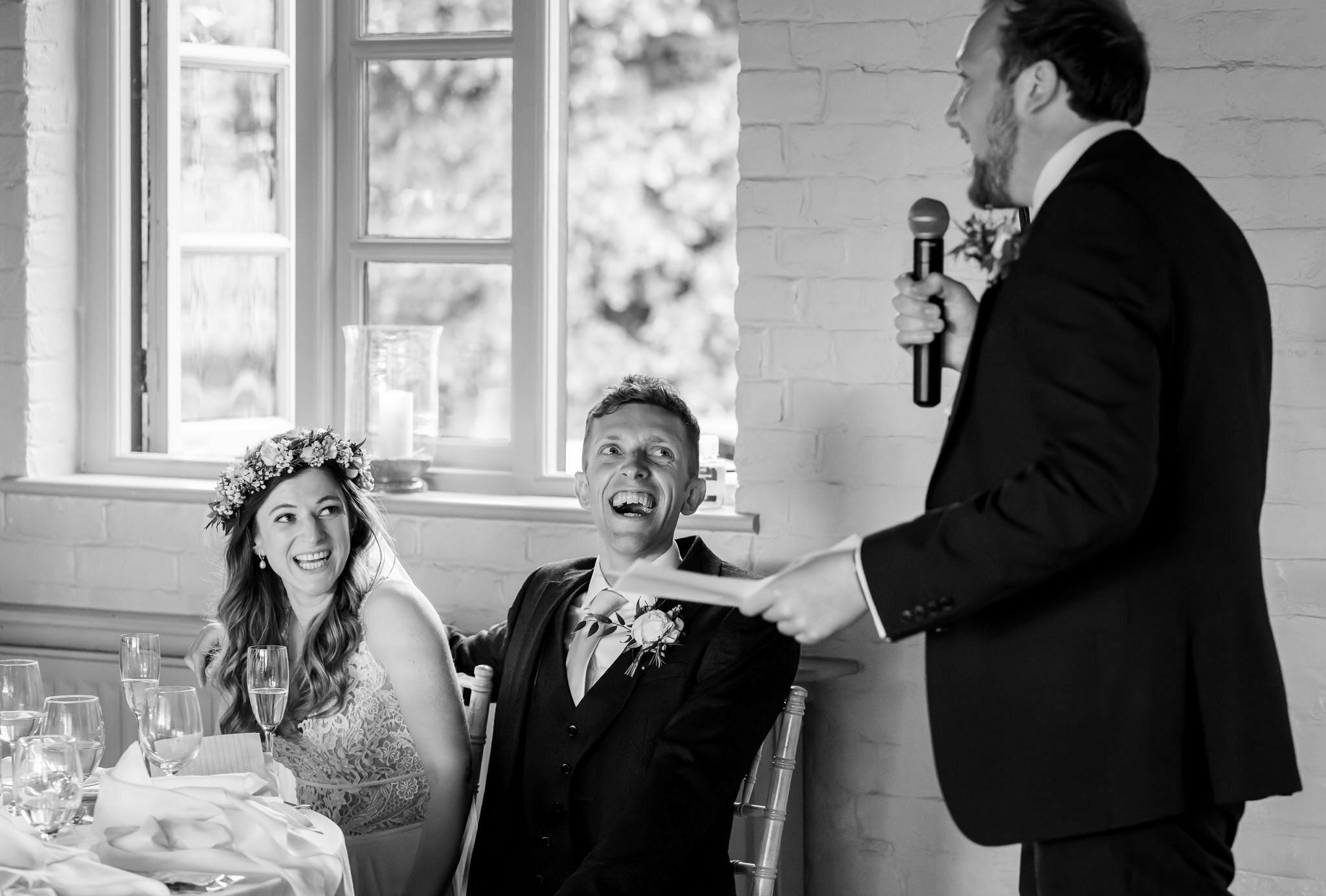
Wedding breakfast and speeches
The wedding breakfast is usually the point where the day moves from the more relaxed, social part of the celebration into something a little more structured, so its timing can shape the whole feel of the afternoon.
It is worth deciding early whether speeches will happen before or after the meal, as this changes the flow of the day quite a bit. Speeches before the meal can bring the formalities forward and often create a more relaxed feel afterwards. Speeches after the meal usually allow for a longer drinks reception and a gentler build into the next part of the day.
Either option can work really well, but it helps to make that decision early so the rest of the timeline can be planned around it. It is also worth checking with your venue how long they usually allow for the meal itself, as this can vary depending on guest numbers, service style, and the overall plan for the day.
Sunset timing
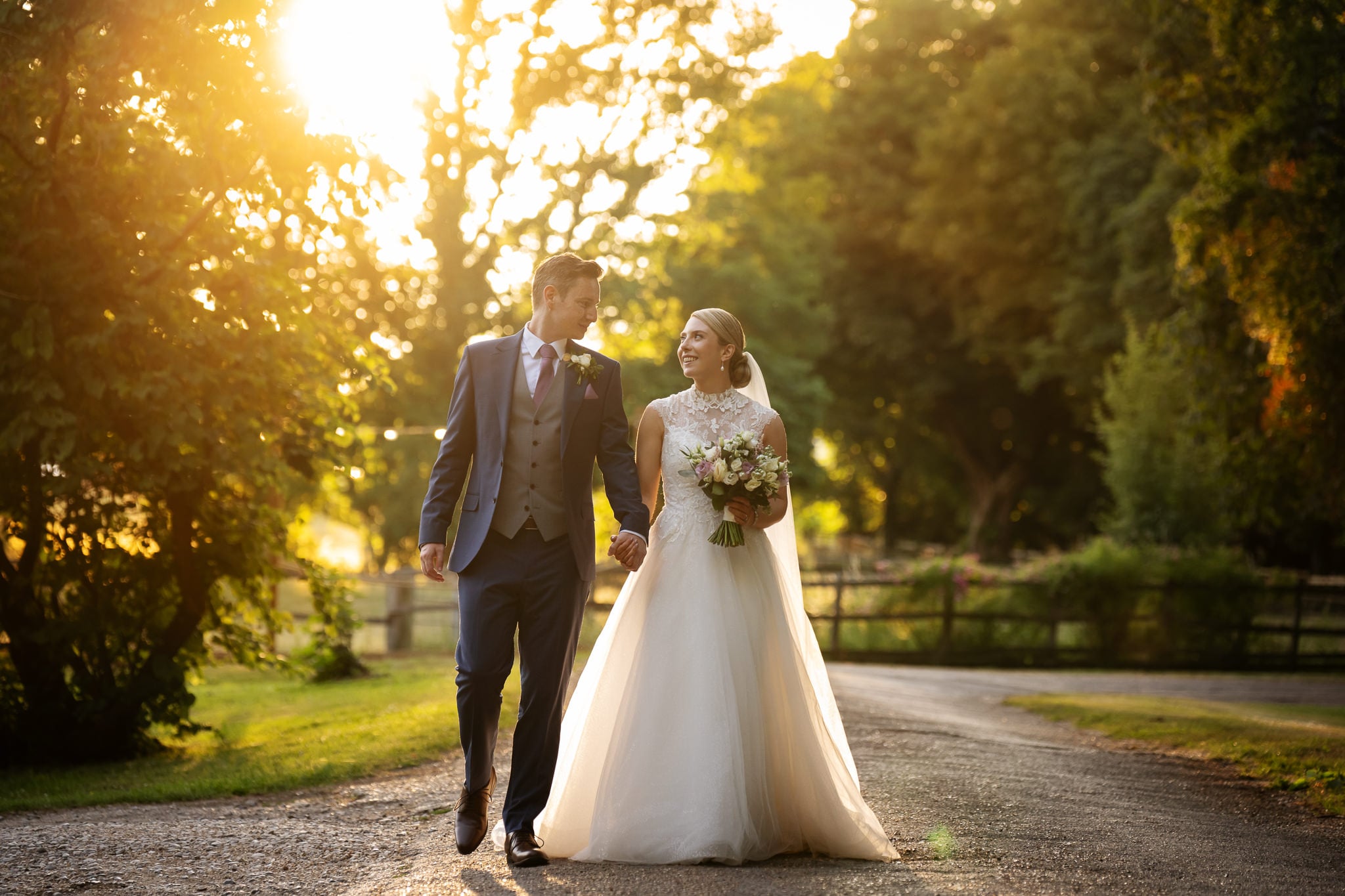
If you would like a few soft evening portraits, it is worth checking the sunset time for your date before finalising the timeline.
Many photographers will suggest stepping out for a few minutes during the golden hour period, often within the hour before sunset, although the exact timing will depend on your venue, the time of year, the weather, and the location. Your photographer will be able to advise on what works best for your day.
You can check your sunset time here: timeanddate.com/sun
You do not usually need long for this, but the exact amount of time can vary. For some weddings, ten minutes is plenty for others, you may want a little longer.
The key is to treat this as a short, planned pause in the day rather than something you try to squeeze in at the last minute. If you know it matters to you, it is much easier to build in a little space for it from the start.
It is also worth thinking of this as a bonus rather than something the whole schedule depends on. If the light is beautiful, great. If not, the day should still flow well without it. It also helps to stay flexible on the day, as the weather and light do not always behave exactly as expected.
Evening reception
The evening reception is often when the day starts to feel less structured and more like a party, but it still helps to have a rough plan for the key moments.
If your wedding breakfast and evening reception are in the same space, it is worth checking how the turnaround will work. Tables may need to be cleared, a dancefloor laid, and the band or DJ set up before guests are invited back in, so this can have a real impact on the flow of the evening.
If you are having a cake cut, this can be a useful way to gather people back together before the evening gets fully underway. Some couples choose to do it just before the first dance so both moments flow naturally into each other.
The first dance is often the point where the evening shifts into party mode, but it is usually not the moment when the dancefloor is at its busiest. It often takes another 20 to 30 minutes for guests to properly relax and for the atmosphere to build.

If you want some dancefloor photos as well as the first dance, it is worth allowing a little time afterwards, as that is often when the evening starts to come to life.
If you would love the really wild party photos, with everyone fully relaxed and properly into the night, that often happens later on. In that case, you may want to add extra coverage so your photographer is still there when your friends and family are really in their element.
If you are planning sparklers or fireworks, sunset timing matters here too. These usually work best once it is dark enough for them to have real impact, so it is worth checking the sunset time when building the evening timeline. The exact timing can depend on the venue, the time of year, and how long it takes to gather guests in the right place.

Sample wedding timeline (2pm ceremony)
This sample timeline is based on a summer wedding with a 2pm ceremony, everything happening at one venue, and photography coverage from midday until 10:00pm.
A quick overview of how the day flows.
|
9:00am |
Prep begins |
|
1:15pm |
Getting dressed |
|
1:45pm |
Pre-ceremony checks / guests seated |
|
2:00pm |
Ceremony |
|
2:30pm |
Drinks reception
|
|
5:00pm |
Wedding breakfast |
|
6:45pm |
Speeches |
|
7:15pm |
Tea & Coffee |
|
8:30pm |
Cake cut / first dance |
|
9:00pm |
Evening food |
|
11:30pm |
Finish |
A fuller breakdown showing how the key parts of the day fit together, including an example of 10-hour photography coverage.
|
9:00am |
Prep begins |
|
Midday |
Photographer arrives |
|
12:45pm |
Hair and makeup should be nearly finished |
|
1:15pm |
Getting dressed. Allow 20 to 30 minutes for buttons, lacing, jewellery, veil, and any final adjustments |
|
1:35pm |
Portraits in the prep space, first look with parents if wanted, and a few quiet moments before the ceremony |
|
1:45pm |
Pre-ceremony registrar meeting / final checks. Guests begin taking their seats |
|
2:00pm |
Ceremony |
|
2:30pm |
Confetti and congratulations straight afterwards |
|
2:40pm |
Big group photo with everyone, if wanted. |
|
2:45pm |
Family and wedding party group photos |
|
3:10pm |
Drinks reception begins. Mingling, hugs, and candid moments. |
|
3:25pm |
Couple portraits, first short session. |
|
3:40pm |
Back to drinks reception |
|
4:45pm |
Guests invited through for the wedding breakfast. |
|
5:00pm |
Wedding breakfast. |
|
6:45pm |
Speeches (after the meal) |
|
7:15pm |
Tea, coffee, and a short break. Good point for a second short portrait session if you want one. |
|
7:30pm |
Couple portraits, second session if the light is right. |
|
8:00pm |
Evening guests arrive. If the same space is being used, room turnaround should be complete by now. |
|
8:30pm |
Cake cut followed by first dance. |
|
8:40pm |
Evening food. |
|
9:00pm |
Night time portrait |
|
10:00pm |
Photographer leaves |
|
11:30pm |
Finish. |
Need help planning a wedding timeline that works for great photos too?
A well-planned timeline does not just help the day feel relaxed. It also makes a big difference to the photos you end up with.
From prep and group photos to couple portraits, speeches, and the evening party, I help my couples build a timeline that flows well, feels realistic, and gives enough space for the important moments without taking over the day.
If you are planning your wedding and want a timeline that feels calm, well-paced, and photography-friendly, get in touch here to check my availability.
FAQs
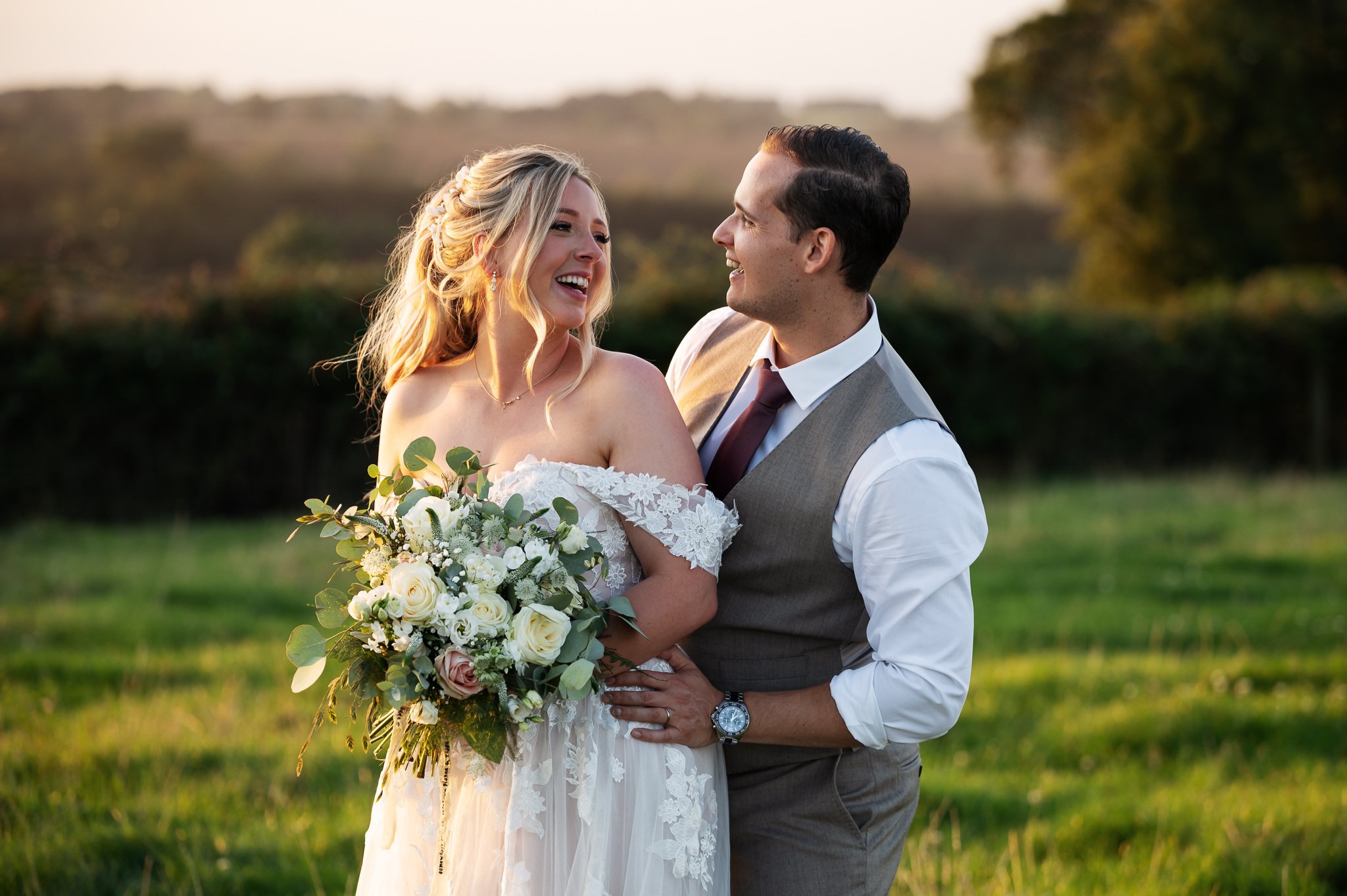
View Wedding Portfolio
Moments that matter and stunning portraits you’ll love.
View a Full Wedding
See the full story – from morning prep to dance floor moments.

Let’s Talk!
Want to check your date?
I’d love to hear all about your plans!